The art of letting go
It is amazing what you can create without ever touching a paintbrush. Dealing with neuropathy and carpal tunnel meant finding new creative lemons to make lemonade, turning loss of control into fluid wonder. In acrylic pour art, I am often entirely at the liberty of the paint. Explore the unique pouring techniques behind each vibrant canvas.
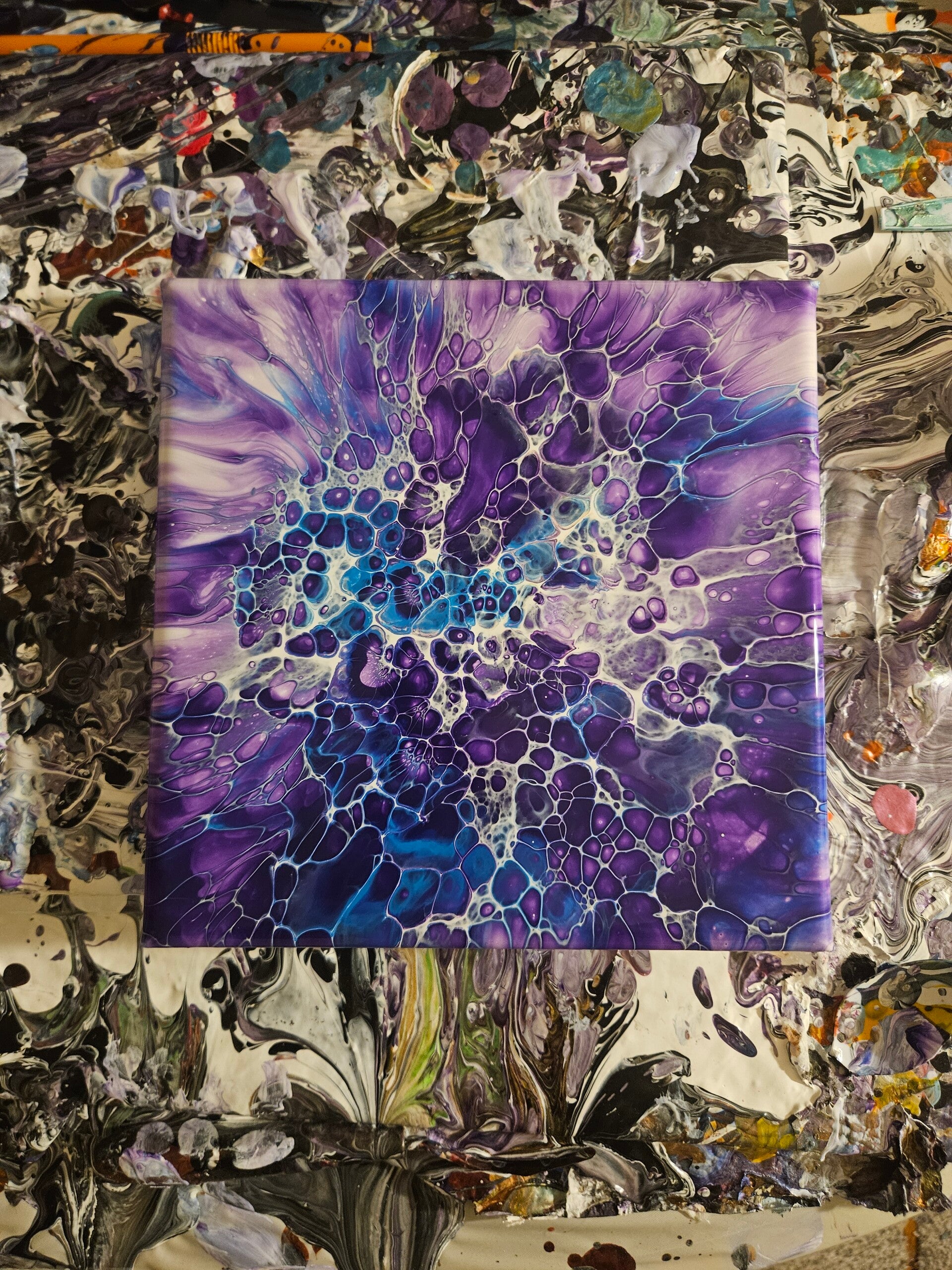
Lacing and spiderweb effects
One of the most mesmerizing results in fluid art is lacing. By letting different paint densities interact, delicate cells expand across the canvas to form an intricate, spiderweb-like network. Each web pattern is completely unpredictable and organically beautiful, ensuring no two pieces ever look alike.

Dutch pour color layers
The Dutch pour technique relies on layering vibrant colors over a smooth base coat and moving the paint dynamically across the canvas. Rather than using brushes, controlled movement pushes shades over each other, revealing hidden undercurrents of tone, soft edges, and breathtaking organic blooms.
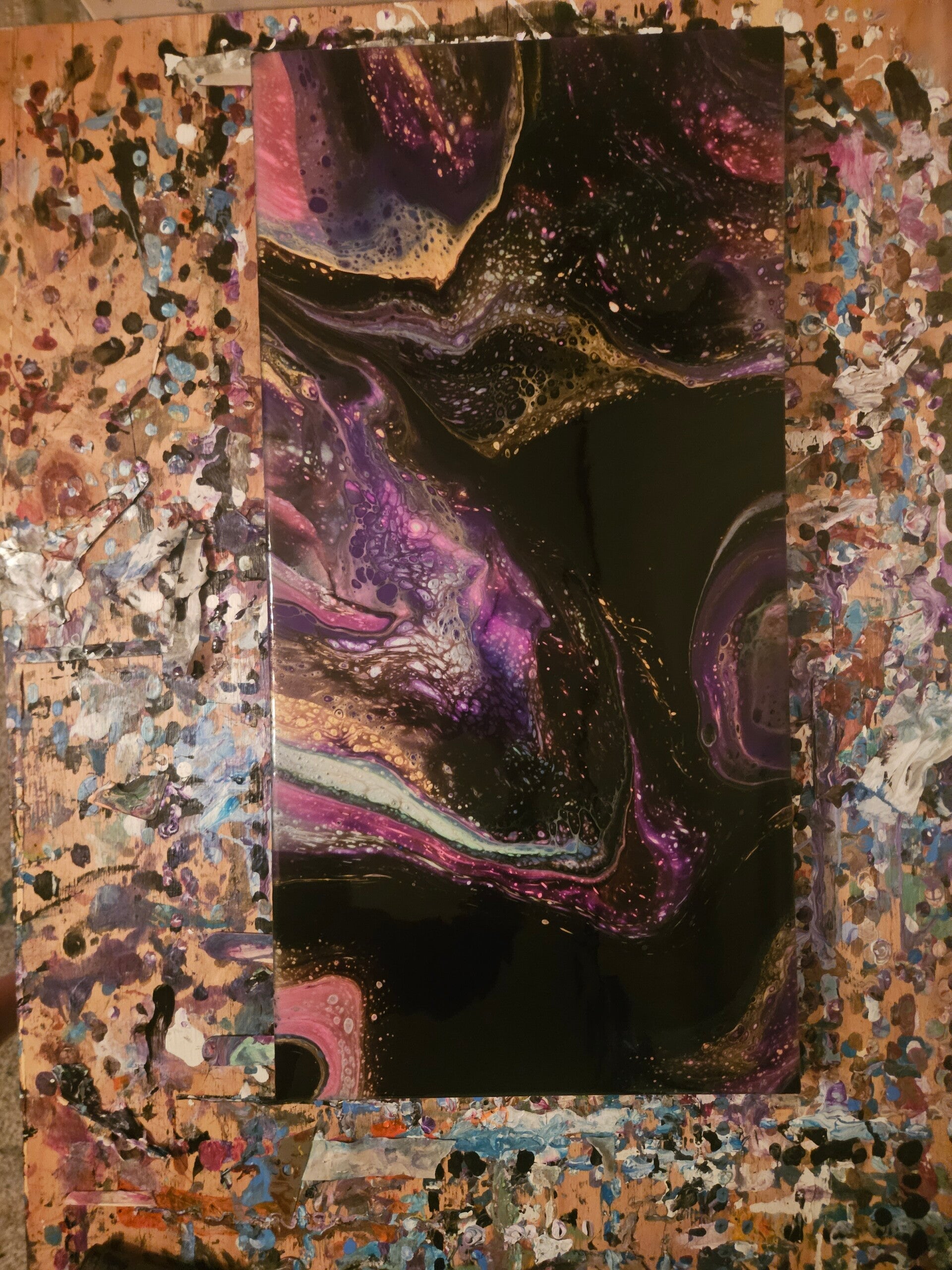
The traveling open cup
Instead of traditional painting tools, cups are the secret weapon in the studio. An open cup is filled with contrasting acrylic mixtures and allowed to glide and travel across the canvas surface. As it moves freely, ribbons of color spill from the bottom to create swirling trails and rich marbling.